When I first started in the military and later in law enforcement, I thought physical fitness was all about pushing harder and moving faster. I never thought much about how my body would change as I got older or how hormones could affect my strength, recovery, and energy. Over the years, as I trained and coached other women, I realized that staying fit through hormonal changes like peri- and post-menopause requires a different approach.
For women in uniform, the expectations do not change just because our bodies do. We still have to pass physical tests, carry heavy gear, and show up strong for the people who depend on us. The good news is that with the right training, recovery, and nutrition strategies, you can stay powerful, confident, and capable at every stage of life.
Understanding How Hormones Affect Performance
Hormones play a huge role in how our bodies perform. Estrogen and progesterone influence everything from muscle recovery to bone strength to energy levels. During perimenopause and menopause, these hormones fluctuate and eventually decline, which can lead to symptoms like fatigue, mood swings, weight gain, and slower recovery after workouts.
None of this means you are getting weaker or that you cannot perform at the same level. It just means your body needs a different kind of support. When I work with women in this stage, I remind them that their strength has not disappeared. It has evolved. The key is learning how to train smarter, not harder.
Strength Training Is Your Best Friend
If there is one thing every woman in uniform should focus on as hormones change, it is strength training. As estrogen levels drop, women naturally lose muscle mass and bone density faster. Lifting weights or using resistance bands helps combat both.
You do not need to live in the gym or lift super heavy to see results. Focus on full-body movements like squats, deadlifts, push-ups, and rows. These exercises strengthen your core and major muscle groups, helping you move better and reduce injury risk on the job.
I like to remind women that strength training is not about size. It is about function. The stronger your muscles are, the more stable your joints become, and the easier it is to handle the physical demands of your career. Two to three focused sessions a week can make a huge difference in how your body feels and performs.
Prioritize Recovery Like It Is a Workout
During menopause, recovery becomes even more important. Lower estrogen levels can cause inflammation and slower healing, which means overtraining can do more harm than good. I used to believe rest days were lazy days. Now I know they are the reason I can keep going.
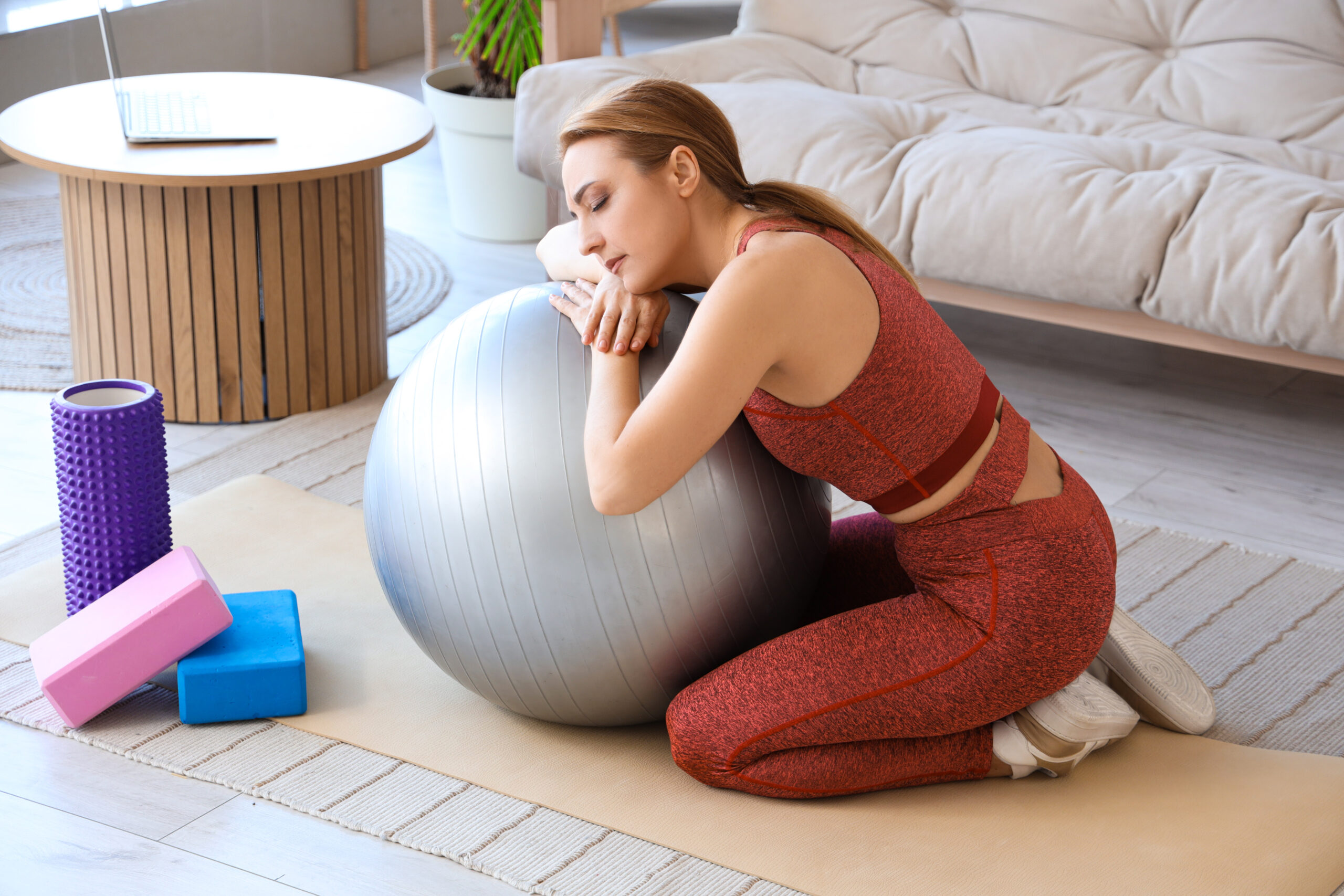
Schedule recovery into your week the same way you schedule workouts. Stretching, mobility work, foam rolling, and even short walks count. Yoga or gentle movement can help your body and mind reset after long shifts. Quality sleep is just as vital because it is when your body repairs itself and balances hormones.
If you struggle to sleep, try creating a bedtime routine that helps you wind down. Limit screens before bed, keep your room cool, and avoid heavy meals or caffeine late in the day. Even small changes can help your body recover better and prepare for the next shift.
Nutrition That Supports Hormonal Health
As your body changes, so do your nutritional needs. Many women notice that what used to work for them in their twenties and thirties no longer feels the same. The right nutrition can stabilize energy, balance hormones, and support muscle recovery.
Protein should be a priority. It helps maintain muscle mass and keeps you full longer. Aim to include a good source of protein with every meal, like eggs, fish, chicken, or Greek yogurt.
Add more fruits and vegetables for vitamins, minerals, and antioxidants that fight inflammation. Whole grains, beans, and lentils provide steady energy and fiber that supports digestion and heart health.
Healthy fats are also essential. Foods like avocados, nuts, seeds, and olive oil support hormone production and joint health. And do not forget hydration. Hormonal changes can affect your body’s ability to regulate temperature, so staying hydrated is key, especially on long shifts.
Listening to Your Body
One of the most empowering lessons I have learned is that your body is always communicating with you. The problem is that most of us are trained to ignore it. We push through pain, skip meals, or run on little sleep because we feel like we have to keep proving ourselves.
As hormones shift, it becomes even more important to listen to those signals. If you are exhausted, adjust your training. If your joints ache, focus on mobility and recovery. If you feel emotional or stressed, take a break to move gently or breathe deeply. Strength is not only about how much you can lift. It is also about knowing when to rest.
Mindset: Redefining What Strength Looks Like
Many women struggle with the idea that their performance might change as they age. I want to shift that mindset. Strength at forty or fifty does not look the same as it did at twenty, but that does not make it any less impressive. You have more experience, discipline, and mental toughness than ever before.
The warrior mindset is not about pushing yourself to exhaustion. It is about adapting, evolving, and staying in the fight with wisdom and resilience. The most powerful women I know are those who have learned to work with their bodies instead of against them.
Age Is Just A Number
Hormonal changes are part of life, but they do not have to slow you down. With strength training, smart recovery, and supportive nutrition, you can continue to thrive in demanding roles and feel strong at every stage.
To every woman in uniform reading this, I want you to know this: you are not losing strength, you are gaining a deeper understanding of it. Your body may be changing, but your power, courage, and purpose remain the same.
Honor your body, fuel it well, and train in a way that supports your future self. Because true strength is not just about passing the next test. It is about building a body and mindset that carry you through every season of your life with confidence and pride.