When I first started my journey in fitness, law enforcement, and the military, I thought performance was all about training harder. I believed that being the first to show up, the last to leave, and the person who pushed the most weight made me stronger. But as I gained experience, especially working long shifts and coaching women in high-demand careers, I learned that performance is not just about how hard you train. It is about how well you recover, how well you sleep, and how you think.
For women in first responder roles, healthcare, or military life, the schedule is rarely easy. Nights blend into days, shifts run long, and stress stays high. That is exactly why sleep, recovery, and mindset cannot be treated as luxuries. They are essential tools that keep your body and mind fuelled for the fight.
Why Sleep Is the Strongest Recovery Tool You Have
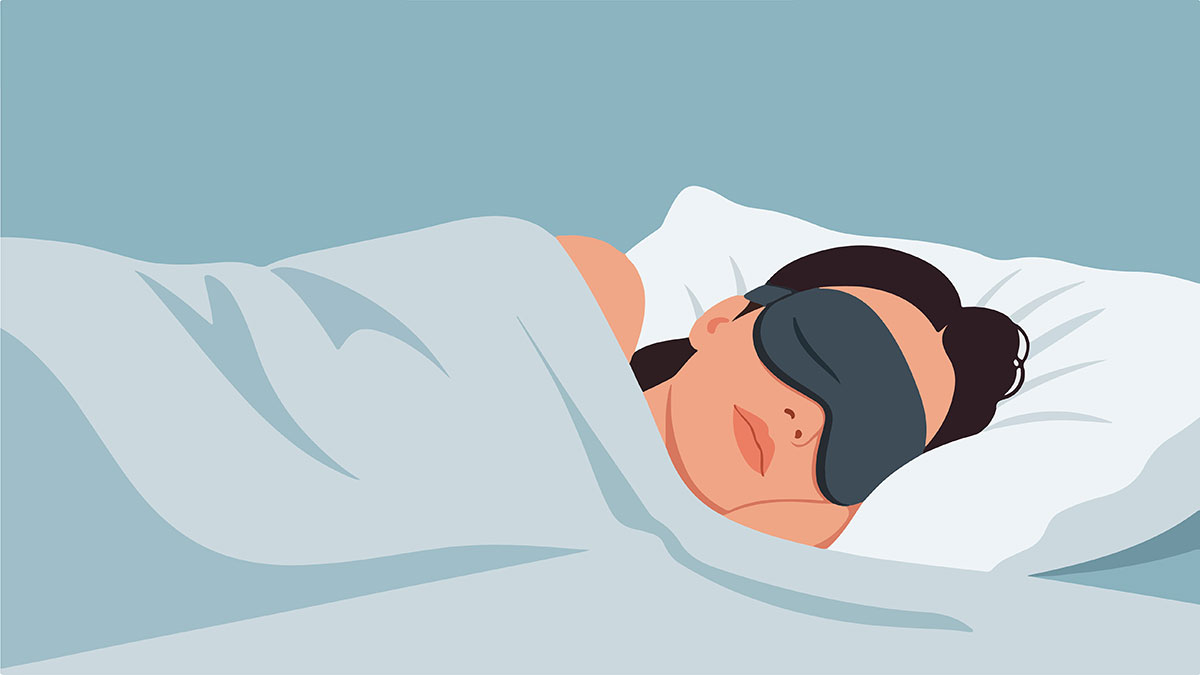
Sleep is the number one factor in performance that most people ignore. You can follow the best workout plan, eat the healthiest meals, and stay disciplined, but if your sleep is poor, your body will eventually break down.
During sleep, your muscles repair, your hormones reset, and your brain clears out stress from the day. Without enough sleep, your reaction time slows, your mood drops, and your risk of injury goes up. For shift workers, this is especially important because the body is constantly under pressure.
Improving sleep does not require a perfect schedule. It just requires intention. Here are a few tools I teach:
- Keep your room dark and cool to help your body relax.
- Avoid heavy meals and caffeine close to bedtime.
- Use a short wind-down routine like stretching, journaling, or breathing.
- If you work nights, use blackout curtains and limit screen time when you get home.
Even if you cannot get eight hours straight, creating pockets of quality rest can make a huge difference in how you feel and perform.
Active Recovery Helps Your Body Stay Ready
Recovery is not just something you do occasionally. It is something your body needs consistently if you want to maintain peak performance. When I talk about recovery, many people think it means lying on the couch all day, but active recovery is just as important.
Active recovery includes light movement like stretching, walking, mobility work, or yoga. These activities increase blood flow, reduce stiffness, and help your muscles heal faster. They also help lower stress, which is one of the biggest performance killers in high-pressure careers.
When I trained for physically demanding roles, active recovery days became my secret weapon. They allowed me to stay strong without feeling burnt out. Some of the simplest routines are the most effective, such as:
- Five minutes of stretching after a long shift.
- A slow walk outside to reset your mind.
- Foam rolling tight areas a few times a week.
- Breathing exercises to quiet your nervous system.
Your body performs best when you treat recovery like part of your training, not an afterthought.
The Power of a Growth Mindset
Mindset is the bridge between your physical performance and your long-term success. A growth mindset means you believe you can improve through effort, learning, and consistency. It means you give yourself grace during setbacks and stay focused on progress rather than perfection.
When I coach women in demanding fields, I often see how hard they are on themselves. They think one bad day means they have failed. They believe they should be able to handle everything without struggle. But a growth mindset teaches you something different. It teaches you that each challenge is a chance to grow stronger.
To build this mindset, try these simple habits:
- Replace negative self-talk with neutral or encouraging thoughts.
- Focus on what went well each day instead of only what went wrong.
- Celebrate small wins like drinking more water, stretching, or finishing a workout.
- View mistakes as lessons instead of proof that you are not capable.
Your mind can either drain your energy or fuel it. A growth mindset fuels it.
Tools for Shift Workers
Women working long or unpredictable shifts need strategies that work in the real world. You do not have to overhaul your entire life to see improvements. You just need small, consistent habits that support your sleep, recovery, and mindset.
Here are a few realistic tools that help:
- Micro naps after tough shifts when you cannot get a full sleep cycle.
- Meal prepping simple foods so you stay fuelled without stress.
- Hydration habit of drinking a full bottle of water before your coffee.
- Two minute resets during your shift where you breathe deeply or stretch.
- Night shift recovery rituals like dimming lights slowly, avoiding your phone, and giving your body cues that it is time to unwind.
Small habits add up and they keep your body from hitting burnout.
Putting It All Together
Sleep repairs your body. Recovery keeps your muscles and mind balanced. Mindset keeps you focused and resilient. When these three pieces work together, your performance improves naturally. You have more energy, better focus, and stronger confidence.
For years I believed that strength came only from grinding harder, but now I know strength comes from taking care of yourself well enough to show up again tomorrow. Women in demanding careers deserve routines that support their health, not routines that drain it.
You do not have to choose between serving others and taking care of yourself. You can do both. And when you prioritize sleep, recovery, and mindset, you show up stronger, calmer, and more capable for every challenge ahead.